

Creating a more eco-friendly home environment involves thoughtful choices that support sustainability, efficiency, and long-term comfort. Small adjustments in daily habits and household systems can reduce environmental impact while supporting a healthier living space. Rather than requiring major renovations, eco-friendly living often begins with practical changes that align with everyday routines. Over time, intentional decisions help create a home environment that feels responsible, balanced, and supportive of both personal well-being and environmental care.
Reducing Energy Use Through Everyday Choices
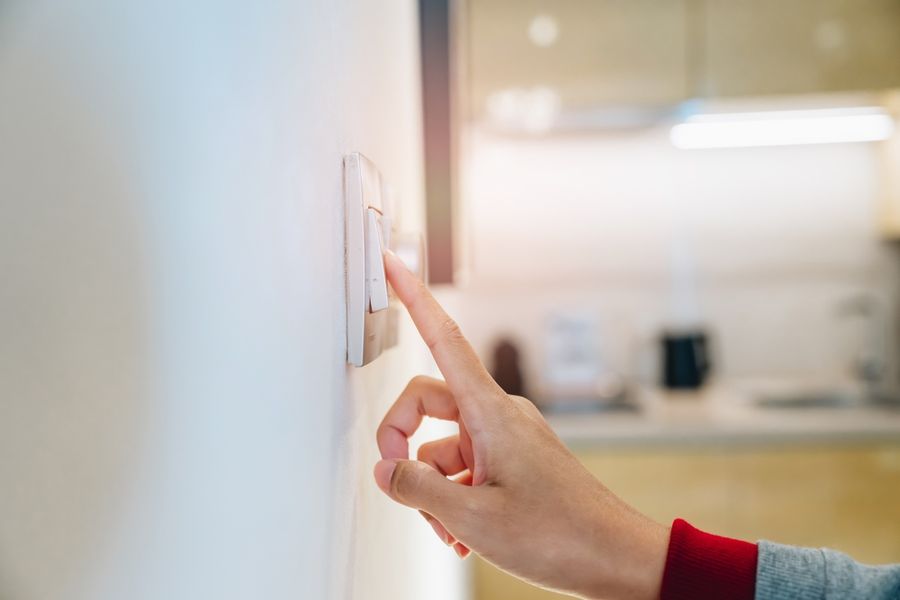
Energy use plays a significant role in a home’s environmental impact. Simple habits such as turning off lights when not in use or choosing energy-efficient appliances help reduce overall consumption. These everyday actions support sustainability without disrupting daily routines.
Reducing energy use also contributes to long-term efficiency. Homes that prioritize mindful energy habits often experience improved comfort and lower demand on systems. Consistent attention to energy use supports an eco-friendly environment that balances functionality with responsible resource use.
Supporting Sustainability Through Water Awareness
Water awareness is an important aspect of creating a more eco-friendly home environment. Small adjustments, such as being mindful of water use during daily activities, help conserve resources without disrupting routines. Simple habits like monitoring usage patterns encourage more intentional consumption and reduce unnecessary waste. Awareness of water consumption supports responsible habits that contribute to long-term sustainability.
Efficient water use also benefits home systems by reducing strain and limiting excess runoff or waste. Thoughtful practices support balance by aligning daily needs with environmental responsibility. Over time, water awareness becomes a natural part of everyday living. This consistency supports sustainability through practical, repeatable choices that benefit both households and the broader environment.
Choosing Materials With Environmental Impact in Mind
Material choices play a significant role in shaping the sustainability of a home environment. Selecting durable, responsibly sourced materials supports long-term use and reduces the need for frequent replacement. Thoughtful material selection encourages quality over quantity, helping minimize waste and resource consumption over time.
Environmentally mindful materials also contribute to indoor comfort and visual balance. Natural textures, durable finishes, and well-made components support a cohesive and functional living space. Choosing materials with environmental impact in mind helps create a home that feels intentional, resilient, and aligned with eco-friendly values while maintaining comfort and practicality.
Reducing Waste Through Thoughtful Consumption
Reducing waste begins with thoughtful consumption habits that emphasize intention over convenience. Being mindful of purchases helps limit excess by encouraging consideration of necessity, durability, and long-term usefulness. Choosing items that serve multiple purposes or are designed for extended use reduces the frequency of replacement and disposal. This approach supports sustainability while also simplifying the home environment.
Waste reduction also involves rethinking how items are used and discarded. Reusing and repurposing belongings extends their usefulness and reduces demand for new resources. Donating or responsibly recycling items further supports responsible living. Over time, thoughtful consumption creates a home environment that prioritizes balance, practicality, and environmental awareness without feeling restrictive or overwhelming.
Supporting Indoor Comfort With Eco-Friendly Practices
Eco-friendly practices can enhance indoor comfort while supporting sustainable living. Improving airflow through natural ventilation, maintaining balanced indoor temperatures, and making effective use of natural light all contribute to a pleasant living environment. These practices help create comfortable spaces without relying heavily on energy-intensive systems. Comfort becomes a result of thoughtful design rather than excess consumption.
When eco-friendly habits are integrated into daily routines, comfort and sustainability naturally work together. Simple adjustments such as regulating indoor temperature thoughtfully or optimizing daylight use support both well-being and efficiency.
Building a Sustainable Home Over Time
Creating a more eco-friendly home environment is a gradual process shaped by consistent and intentional choices. Small changes, when practiced regularly, accumulate into meaningful impact over time. Sustainability becomes more approachable when integrated into everyday habits rather than treated as a single project or major overhaul. This steady approach supports lasting change.
By focusing on long-term habits and thoughtful decisions, homeowners can support environmental responsibility while maintaining comfort and functionality. A sustainable home reflects balance, intention, and adaptability rather than perfection. Over time, eco-friendly practices contribute to a living environment that supports daily needs while also aligning with broader environmental well-being and responsible living goals.