

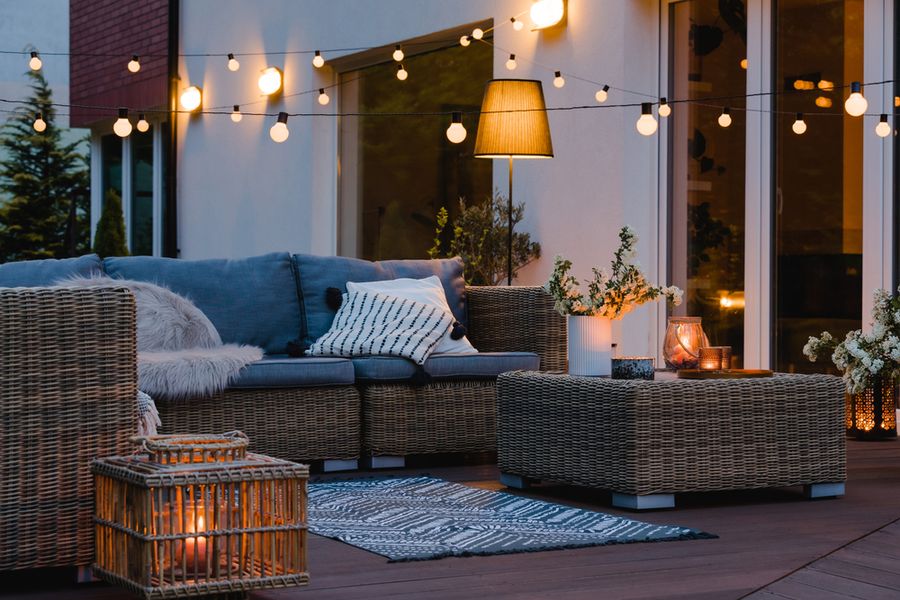
Outdoor spaces offer valuable opportunities to create areas dedicated to comfort, rest, and enjoyment at home. Whether large or small, thoughtfully designed outdoor environments support relaxation and provide a refreshing change from indoor routines. Purposeful design choices help transform patios, gardens, balconies, or yards into inviting extensions of the living space. With attention to comfort, function, and atmosphere, outdoor areas can become welcoming spaces that encourage calm, connection, and everyday enjoyment.
Defining the Purpose of the Outdoor Space
Designing an outdoor space begins with understanding how it will be used. Some spaces are meant for quiet relaxation, while others support social gatherings or daily activities. Clarifying purpose helps guide decisions about layout, furniture, and features. A well-defined intention ensures the space feels cohesive rather than cluttered or unfocused.
Purpose also influences how much structure or flexibility is needed. A relaxation-focused space may prioritize comfort and privacy, while a social area may emphasize seating and openness. When the purpose is clear, design choices feel more intentional. This clarity supports a space that feels inviting and aligned with everyday needs.
Choosing Comfortable and Functional Furnishings
Comfortable furnishings are essential for creating an enjoyable outdoor environment. Seating that supports relaxation encourages longer use and helps the space feel welcoming. Materials suited for outdoor conditions maintain comfort while supporting durability and ease of care.
Functionality also plays an important role in furnishing choices. Tables, storage, and layout should support how the space is used without overcrowding. Thoughtful furniture placement allows easy movement and creates balance. When comfort and function work together, outdoor spaces become easier to enjoy regularly.
Incorporating Natural Elements and Greenery
Natural elements contribute significantly to the calming atmosphere of outdoor spaces by softening visual lines and introducing organic texture. Plants, greenery, and natural materials help create a sense of connection with the surrounding environment, making outdoor areas feel more inviting and restorative. Incorporating greenery adds visual interest while supporting a relaxed and comfortable atmosphere.
Greenery can be introduced in many ways depending on available space and personal preference. Planters, garden beds, hanging plants, or climbing vines all provide opportunities to bring nature into the design. Natural materials such as wood, stone, or woven textures further enhance the organic feel of the space.
Creating Privacy and a Sense of Retreat
Privacy enhances relaxation by helping outdoor spaces feel comfortable, secure, and personal. Visual boundaries define the area and reduce distractions from neighboring spaces or busy surroundings. Features such as fencing, screens, or strategically placed greenery support a sense of retreat while maintaining openness and airflow. This balance allows outdoor spaces to feel protected without becoming enclosed.
A sense of privacy encourages rest and ease by allowing occupants to relax without feeling exposed. Thoughtful placement of privacy elements supports comfort while preserving light and connection to the outdoors. When privacy is designed with intention, outdoor spaces become personal retreats that feel calming, inviting, and well suited for relaxation and enjoyment.
Using Lighting to Extend Enjoyment
Lighting plays an important role in making outdoor spaces usable and inviting beyond daylight hours. Soft, ambient lighting creates a warm atmosphere that supports relaxation and encourages people to spend more time outdoors in the evening. Thoughtful placement of lights helps define seating areas, pathways, and focal points without overwhelming the space. Subtle illumination enhances comfort while preserving a calm and natural feel.
Outdoor lighting also improves safety and functionality by guiding movement and reducing dark or uneven areas. Low-level lights along walkways or steps provide visibility while contributing to overall ambiance. When lighting is planned with both comfort and practicality in mind, outdoor spaces remain welcoming after sunset.
Designing an Outdoor Space That Encourages Balance
A well-designed outdoor space balances comfort, function, and atmosphere to support a variety of uses. Thoughtful design choices allow areas to feel relaxed while still accommodating activities such as dining, reading, or gathering with others. Balance ensures the space feels inviting rather than crowded or overly structured, allowing it to adapt to different moments and needs.
Approaching outdoor design with intention and simplicity encourages regular use and enjoyment. When elements work together naturally, outdoor spaces become extensions of daily living rather than occasional destinations. A balanced outdoor environment supports ease, connection, and relaxation, enhancing the overall living experience.