

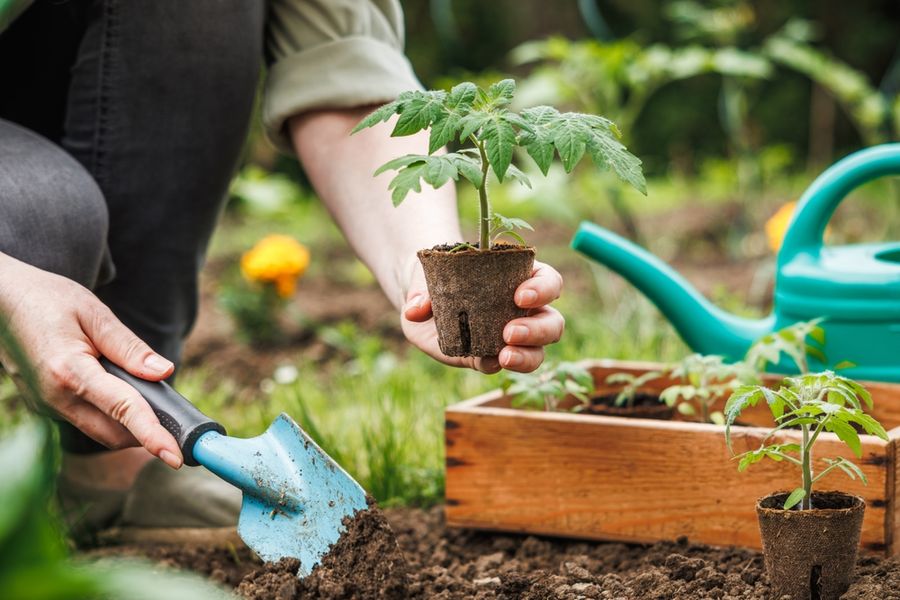
Home gardening offers a practical way to connect with nature while supporting a more intentional living environment. Whether focused on growing plants, herbs, or flowers, gardening encourages patience, observation, and routine care. Getting started does not require extensive space or experience, but it does benefit from thoughtful planning. With a basic understanding of key principles, home gardening can become a rewarding practice that supports both personal enjoyment and a balanced home environment.
Understanding Your Space and Growing Conditions
Successful home gardening begins with understanding the available space and its growing conditions. Light exposure, temperature, and airflow all influence what types of plants will thrive. Observing how sunlight moves through a space helps determine suitable locations for different plants, whether indoors or outdoors.
Space considerations also affect plant selection and layout. Container gardens, raised beds, or small plots each offer different possibilities. Understanding limitations and opportunities allows gardeners to choose plants that align with their environment. This awareness supports healthier growth and reduces frustration during the early stages of gardening.
Choosing Plants That Match Your Environment
Selecting plants that suit the local environment is an important step for anyone getting started with home gardening. Climate, seasonal patterns, temperature ranges, and available light all influence how well plants grow and adapt. Understanding these conditions helps gardeners choose plants that are more likely to thrive rather than struggle. Selecting varieties known to perform well in similar environments creates a more manageable and rewarding gardening experience.
Matching plants to their environment reduces the need for constant adjustment or intensive care. When plants are well suited to their surroundings, they typically require less maintenance and respond more predictably to routine care. Thoughtful plant selection supports consistent growth and builds confidence. This approach allows gardeners to focus on observation and enjoyment rather than frequent troubleshooting, making home gardening more approachable and satisfying.
Learning the Basics of Soil and Plant Care
Soil quality plays a central role in successful home gardening by supporting root development, moisture retention, and nutrient availability. Healthy soil creates a stable foundation that allows plants to establish strong root systems and access the resources they need to grow. Understanding basic soil composition and drainage helps gardeners make informed choices about where and how plants are placed. This knowledge reduces common challenges and supports healthier growth from the start.
Plant care also involves learning how to provide consistent watering, appropriate spacing, and regular observation. Paying attention to how plants respond to water, light, and soil conditions helps identify needs early. These basic care practices become more familiar and intuitive.
Establishing Simple and Consistent Gardening Routines
Consistency is essential in home gardening, especially for beginners who are still learning plant behavior. Regular watering, checking soil moisture, and removing dead leaves support plant health and prevent common issues. Simple routines help gardeners stay engaged without feeling overwhelmed by complexity or constant monitoring.
Gardening routines also encourage observation and learning over time. Noticing changes in growth, color, or structure helps gardeners understand seasonal cycles and plant needs. Consistency supports both plant development and personal enjoyment. As routines become familiar, gardening transforms into a sustainable habit that feels rewarding and manageable.
Managing Expectations and Learning Through Experience
Managing expectations helps create a positive and realistic gardening experience. Plant growth often takes time, and setbacks are a natural part of the process. Understanding that not every plant will thrive encourages patience and resilience rather than discouragement. Viewing challenges as learning opportunities supports continued engagement.
Gardening offers valuable lessons through observation and adjustment. Each season provides insight into plant behavior, environmental conditions, and care techniques. This gradual learning process makes gardening more enjoyable and less intimidating, allowing gardeners to improve steadily with each attempt.
Creating a Sustainable and Enjoyable Gardening Practice
Home gardening becomes most rewarding when approached as an ongoing practice rather than a quick or perfect outcome. Small efforts repeated consistently support long-term success and plant health. Gardening encourages balance by combining routine care, observation, and adaptation as conditions change.
By focusing on learning and routine instead of perfection, gardeners create a sustainable approach that fits naturally into daily life. Over time, gardening fosters patience, connection, and enjoyment. A thoughtfully maintained home garden becomes a meaningful extension of the living environment, offering satisfaction through steady growth and ongoing care.