

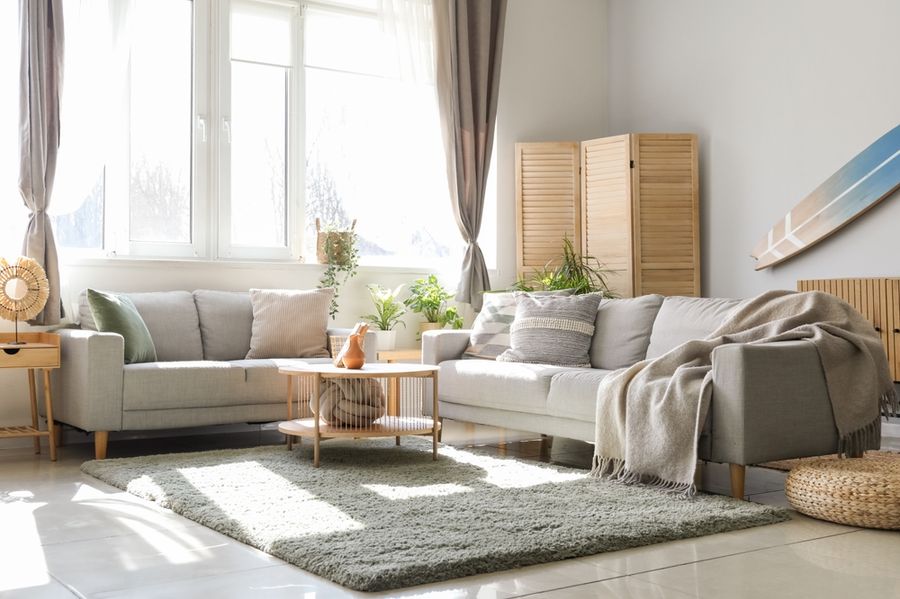
Lighting plays a powerful role in shaping how a home looks and feels. Beyond basic visibility, lighting influences mood, comfort, and how spaces are experienced throughout the day. Natural and artificial light work together to highlight design elements, define atmosphere, and support daily activities. Thoughtful lighting choices help create balance, enhance functionality, and contribute to a home environment that feels welcoming, intentional, and well-suited to everyday living.
The Role of Natural Light in Home Atmosphere
Natural light has a significant impact on how a home feels and functions. Sunlight can make spaces feel more open, airy, and inviting while enhancing colors and textures within a room. Homes that receive ample natural light often feel more comfortable and visually appealing, especially during daylight hours.
The presence of natural light also influences how spaces are used. Rooms with good daylight exposure often become preferred gathering areas. Window placement, window treatments, and room orientation all affect how sunlight enters a home. By maximizing natural light where possible, homeowners can support a brighter, more balanced living environment.
How Artificial Lighting Shapes Mood and Comfort
Artificial lighting plays a key role in setting mood and comfort when natural light is limited. Different lighting levels and styles influence how spaces feel, whether calm, energized, or relaxed. Soft lighting often creates a cozy atmosphere, while brighter lighting supports focus and activity.
Layered lighting adds flexibility and balance to a space. Combining overhead lighting with lamps and accent lighting allows rooms to adapt to different needs throughout the day. Thoughtful artificial lighting helps create environments that feel comfortable and functional, supporting both relaxation and productivity within the home.
Using Lighting to Define Space and Function
Lighting helps define how different areas within a home are used. Task lighting supports specific activities such as cooking, reading, or working, while ambient lighting provides overall illumination. Accent lighting highlights architectural features or decorative elements, adding depth and interest to a space.
Well-planned lighting design helps rooms feel organized and purposeful. Different lighting zones allow spaces to transition smoothly between activities. By aligning lighting choices with function, homeowners can enhance usability while maintaining a cohesive and visually appealing environment.
The Impact of Light Color and Intensity
Light color and intensity play a major role in shaping how a space feels and functions. Warmer light tones tend to create a sense of comfort and relaxation, making them well suited for living rooms, bedrooms, and areas meant for unwinding. These tones soften a space and help create an inviting atmosphere that feels calm and welcoming. In contrast, cooler light tones support alertness and visual clarity, which can be especially useful in kitchens, offices, and task-focused areas.
Adjusting light intensity further influences the atmosphere of a room. Dimmable lighting allows spaces to transition smoothly between functional and relaxed settings throughout the day. Lower light levels create a cozy environment in the evening, while brighter lighting supports activity and focus.
Enhancing Design Elements Through Lighting
Lighting enhances design elements by drawing attention to textures, colors, and the overall layout of a space. Strategically placed lighting can highlight artwork, architectural features, or decorative focal points, helping them stand out without overwhelming the room. Accent lighting adds depth by creating contrast and visual layers, making spaces feel more dynamic and thoughtfully arranged.
Lighting also affects how materials are perceived. Surfaces such as wood, stone, metal, or fabric can appear warmer, cooler, softer, or more dramatic depending on lighting conditions. Directional lighting can emphasize texture, while diffused lighting creates a smoother appearance. By considering lighting as part of the design process, homeowners can enhance aesthetic appeal and create spaces that feel cohesive, intentional, and visually balanced.
Creating a Balanced and Inviting Home Environment
A well-lit home balances function, comfort, and visual appeal, supporting both daily activities and relaxation. Thoughtful lighting choices help guide how spaces are used while contributing to an inviting atmosphere. By combining natural light with layered artificial lighting, rooms become more adaptable and comfortable throughout different times of day and changing needs.
Lighting choices influence how people experience a home both emotionally and practically. When lighting aligns with the purpose of each space, rooms feel easier to navigate and more enjoyable to spend time in. Creating balance through lighting allows homes to feel warm, functional, and reflective of everyday life, supporting comfort and enjoyment over time.