

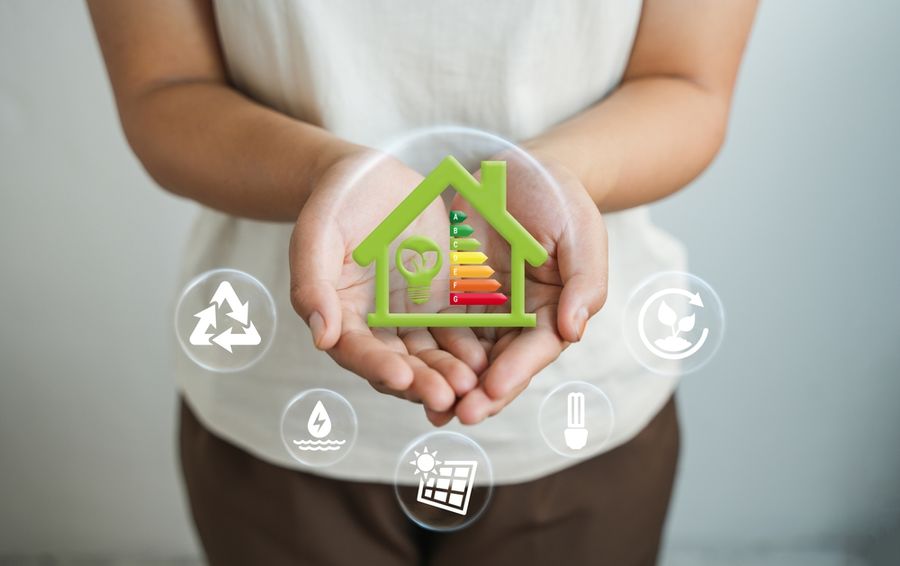
Improving energy efficiency at home involves practical choices that support comfort, functionality, and responsible resource use. Small adjustments to daily habits and household systems can reduce energy use without disrupting routines. Energy-efficient homes often feel more comfortable and easier to manage while supporting long-term savings and sustainability. By focusing on simple, achievable changes, households can create living environments that balance efficiency, comfort, and everyday practicality.
Understanding How Energy Is Used at Home
Energy efficiency begins with understanding how energy is used throughout the home. Heating, cooling, lighting, and everyday appliances account for a large portion of household energy use. Awareness of these patterns helps identify areas where small adjustments can make a meaningful difference.
Recognizing when and where energy is used encourages more intentional habits. Simple awareness supports smarter decisions, such as adjusting usage during peak times or reducing unnecessary consumption. Understanding energy use creates a foundation for efficiency by making daily choices more informed and purposeful.
Improving Lighting Efficiency Through Simple Changes
Lighting plays a key role in home energy use and offers an easy opportunity for improvement. Making thoughtful lighting choices helps reduce unnecessary energy consumption while maintaining comfort and visibility. Turning off lights when rooms are not in use and maximizing natural light during the day support efficiency without inconvenience.
Layered lighting also supports energy efficiency by allowing targeted illumination instead of relying on full-room lighting. Using task lighting where needed reduces overall energy demand. Thoughtful lighting habits contribute to a balanced home environment that feels both efficient and welcoming.
Supporting Comfort With Efficient Heating and Cooling Habits
Heating and cooling systems have a significant impact on both energy use and household comfort. Simple habits such as adjusting temperature settings thoughtfully or closing doors to unused rooms help regulate indoor conditions more efficiently. These small adjustments reduce unnecessary strain on systems while maintaining a comfortable living environment. Being intentional with heating and cooling supports efficiency without requiring major changes to daily routines.
Comfort improves when heating and cooling habits align naturally with household activity. Adjusting settings based on occupancy, time of day, or seasonal conditions helps maintain balance without sacrificing ease. Mindful temperature management supports consistent comfort and reduces excessive energy demand.
Using Appliances and Electronics More Mindfully
Everyday appliances and electronics contribute steadily to household energy use, often without much notice. Using appliances intentionally, such as running full loads or turning devices off when not in use, supports efficiency without reducing convenience. These mindful habits help limit unnecessary energy consumption while keeping daily routines intact. Awareness encourages more thoughtful use rather than constant operation.
Mindful energy use also extends to entertainment, work, and personal devices. Limiting standby power use and unplugging electronics when they are not needed reduces hidden energy draw. Small adjustments in how devices are used and managed support responsible energy habits. Thoughtful appliance and electronics use helps create a home environment that balances practicality, comfort, and efficiency.
Strengthening Efficiency Through Everyday Habits
Energy efficiency is reinforced through consistent everyday habits that support mindful resource use. Small actions, such as paying attention to lighting, temperature settings, and appliance operation, collectively reduce energy demand. These habits integrate easily into daily routines without requiring special effort or complex systems. When efficiency becomes part of everyday behavior, it feels natural rather than restrictive.
Consistency strengthens the impact of these habits by reinforcing awareness and intention. Efficient choices become easier when they align with existing routines and preferences. Everyday efficiency supports comfort while encouraging responsible living through practical, repeatable actions. This approach allows households to maintain balance without added stress or disruption.
Creating a More Efficient and Comfortable Home Environment
Energy efficiency supports a home environment that feels both comfortable and intentional. Simple changes encourage balance between resource use and everyday needs, allowing homes to function smoothly without excess energy demand. Awareness and practical habits work together to create spaces that feel easy to manage and pleasant to live in. Efficiency enhances comfort rather than competing with it.
A more energy-efficient home reflects thoughtful choices instead of drastic measures. Small improvements support comfort, functionality, and ease of living while reinforcing responsible habits. Through mindful adjustments and consistent practices, homes become more responsive and comfortable. This balanced approach aligns everyday living with sustainable principles while maintaining a welcoming and supportive environment.