

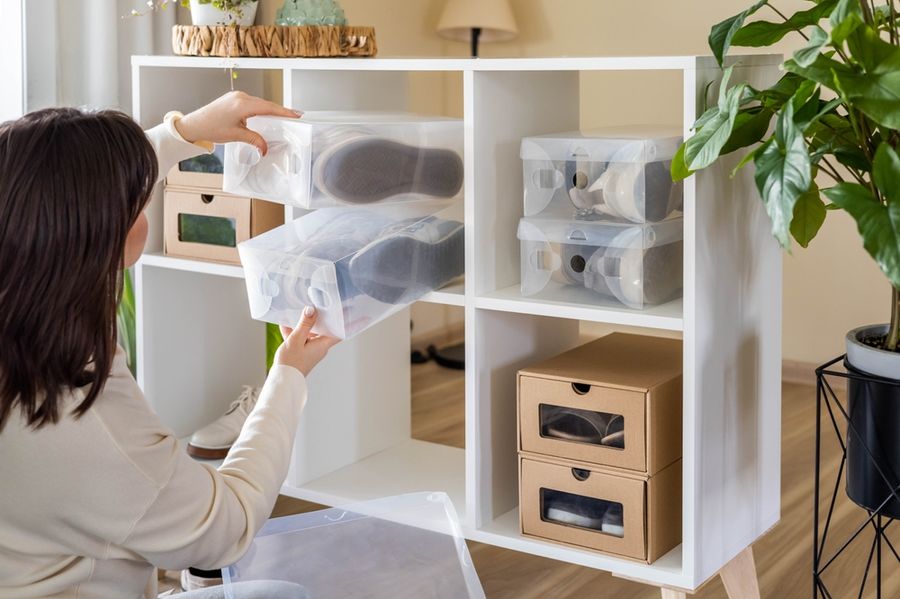
Home organization plays a meaningful role in how a living space functions and feels on a daily basis. An organized home supports efficiency, comfort, and ease by creating clear systems for storing and accessing belongings. Rather than focusing on appearance alone, organization helps spaces work more effectively for everyday routines. When thoughtfully maintained, an organized home reduces stress, saves time, and supports a balanced living environment that adapts to changing needs over time.
Creating Efficient and Functional Living Spaces
Organization improves efficiency by making living spaces easier to use, navigate, and enjoy. When items are stored intentionally, daily activities require less effort and fewer interruptions. Clear pathways, accessible storage, and defined areas help rooms function smoothly without constant rearranging or searching. This efficiency supports a more relaxed flow throughout the home and reduces friction during everyday tasks.
Functional organization also allows spaces to serve their intended purpose more effectively. Thoughtful placement of furniture and storage helps rooms feel purposeful rather than crowded or underutilized. When layouts support natural movement and usage, frustration decreases and routines feel easier to maintain. An organized space responds better to daily needs, creating a home environment that feels practical, adaptable, and comfortable.
Reducing Stress Through Visual and Physical Order
A well-organized home often feels calmer and more inviting because visual order reduces unnecessary stimulation. Cluttered surfaces and crowded rooms can create a sense of overwhelm, even when items are useful. When belongings have designated places, spaces feel more balanced and visually cohesive. This clarity makes it easier to relax and feel at ease within the home.
Physical order also supports mental clarity by reducing distractions. Clear surfaces and organized layouts allow attention to settle rather than constantly shift. Fewer visual interruptions make it easier to focus, unwind, and move through daily activities with less tension.
Supporting Consistent Daily Routines
Organization supports consistent routines by simplifying everyday tasks and reducing unnecessary friction. When items are easy to find and return, routines flow more smoothly and predictably. This reliability saves time and helps reduce stress during busy or transitional moments, such as mornings or evenings.
Daily habits become easier to maintain when organization supports natural movement and use. Simple systems encourage follow-through by removing extra steps and decisions. An organized environment helps routines feel automatic rather than effortful, allowing households to operate efficiently and comfortably without constant adjustment or mental strain.
Improving Accessibility and Use of Space
Organized homes make better use of available space by prioritizing accessibility and ease of use. Frequently used items are stored within reach, while less-used belongings are placed in appropriate locations that do not interfere with daily routines. This thoughtful arrangement reduces the time and effort required to complete everyday tasks and improves overall convenience. When items have designated places, spaces feel more intuitive and efficient.
Improved accessibility also supports safety and ease of movement throughout the home. Clear walkways, organized storage areas, and uncluttered surfaces help prevent accidents and reduce physical strain. Accessible organization creates a home environment that feels welcoming, functional, and comfortable for all occupants, regardless of age or mobility.
Encouraging Maintenance Through Simple Systems
Simple organization systems make maintenance more manageable by reducing complexity. When storage solutions are intuitive and easy to follow, it becomes simpler to return items to their proper places. Clear systems support consistency by encouraging habits that fit naturally into daily life rather than requiring constant effort or adjustment.
Maintenance becomes less overwhelming when organization aligns with everyday routines. Simple systems help sustain order naturally, making upkeep feel routine instead of demanding. This approach supports long-term organization by reinforcing habits that keep spaces tidy, functional, and easy to maintain without unnecessary stress.
Creating Balance and Comfort Through Organization
Home organization contributes to balance by supporting both practicality and comfort within living spaces. Organized rooms allow for flexibility while maintaining enough structure to prevent clutter from building up. This balance helps homes adapt to changing needs, activities, and routines without becoming chaotic or crowded.
By approaching organization as an ongoing practice rather than a one-time task, households create environments that feel supportive and intentional. Organized living spaces enhance comfort, efficiency, and overall quality of life. Thoughtful organization allows the home to function as a place of ease, stability, and everyday enjoyment.