

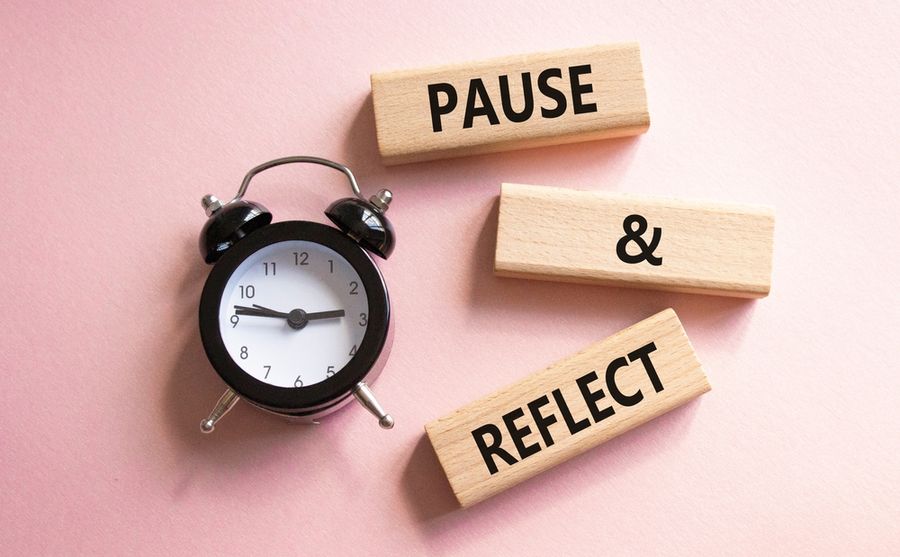
Self-reflection plays an important role in personal growth by encouraging awareness, learning, and intentional change. Taking time to reflect helps individuals understand experiences, recognize patterns, and identify opportunities for improvement. Rather than emphasizing perfection, self-reflection supports progress through understanding and adjustment. When practiced consistently, reflection becomes a valuable tool for continuous improvement, helping individuals develop clarity, balance, and purpose while making thoughtful decisions that support long-term personal growth and ongoing self-awareness.
Creating Space for Regular Reflection
Regular self-reflection begins with intentionally creating space for thoughtful pause. Busy routines and constant demands often leave little room for consideration, making deliberate reflection especially valuable. Setting aside time to review experiences, thoughts, and emotions helps bring awareness to patterns that may otherwise go unnoticed. Reflection does not require long periods of time; even short, focused moments can support meaningful insight.
Consistency is more important than duration when developing a reflection habit. Regular check-ins help individuals remain connected to personal goals, values, and experiences. Over time, creating space for reflection supports perspective and emotional clarity. This intentional pause encourages learning and reinforces continuous personal improvement through awareness.
Using Questions to Guide Insight
Thoughtful questions provide structure and depth to self-reflection. Open-ended questions encourage exploration rather than judgment, allowing individuals to examine experiences with curiosity and honesty. Questions focused on lessons learned, emotional responses, and alignment with values help uncover meaningful insights.
Guided questions also help maintain focus during reflection, especially when thoughts feel scattered. They offer direction without limiting interpretation or understanding. Over time, reflective questioning becomes more intuitive and natural. This approach supports continuous improvement by turning reflection into a purposeful, accessible, and repeatable practice.
Tracking Patterns and Progress Over Time
Tracking experiences over time deepens reflection by revealing patterns that may not be obvious in the moment. Writing thoughts, reviewing past reflections, or noting recurring challenges helps individuals identify trends in behavior, decision-making, and emotional responses. Observing these patterns over weeks or months often provides clearer insight than isolated moments. This longer view helps individuals understand what consistently supports growth and where adjustments may be helpful.
Progress tracking also reinforces motivation and awareness by highlighting change that might otherwise go unnoticed. Recognizing even small improvements helps build confidence and encourages consistency. Over time, observing progress creates a more accurate picture of personal development. This awareness strengthens reflection and supports more intentional, informed choices that align with long-term growth and improvement.
Balancing Reflection With Action
Reflection is most effective when paired with thoughtful action. Insight alone does not lead to improvement unless it influences behavior, choices, and daily routines. Identifying small, realistic steps based on reflection helps transform awareness into meaningful progress. These actions serve as practical expressions of insight, allowing learning to move beyond understanding and into lived experience.
Balancing reflection with action supports momentum and prevents stagnation. Small, intentional adjustments allow learning to unfold gradually without creating overwhelm or pressure. Over time, this balance reinforces growth by allowing reflection to guide behavior in a natural and sustainable way. Continuous improvement emerges as insight and action work together consistently, supporting steady development and long-term personal growth.
Maintaining a Supportive and Open Mindset
A supportive mindset is essential for effective self-reflection and continued improvement. Approaching reflection with curiosity rather than self-criticism encourages honesty and openness. When reflection feels constructive and safe, individuals are more willing to explore challenges and examine patterns without resistance.
Self-compassion plays an important role in sustaining growth by reducing fear of mistakes and setbacks. Viewing experiences as opportunities for learning rather than evaluation fosters resilience and confidence. Over time, an open and supportive mindset strengthens reflection practices and helps maintain long-term personal development.
Turning Reflection Into Ongoing Growth
Self-reflection supports continuous improvement most effectively when practiced as an ongoing habit rather than an occasional exercise. Regular reflection helps individuals remain aligned with values, intentions, and goals while staying open to change. Over time, this consistency supports clarity, adaptability, and thoughtful decision-making.
By integrating reflection into daily life, individuals create steady opportunities for learning and growth. Reflection encourages progress through awareness rather than pressure. When approached with intention and openness, self-reflection becomes a powerful and sustainable tool for continuous improvement and long-term personal development.