

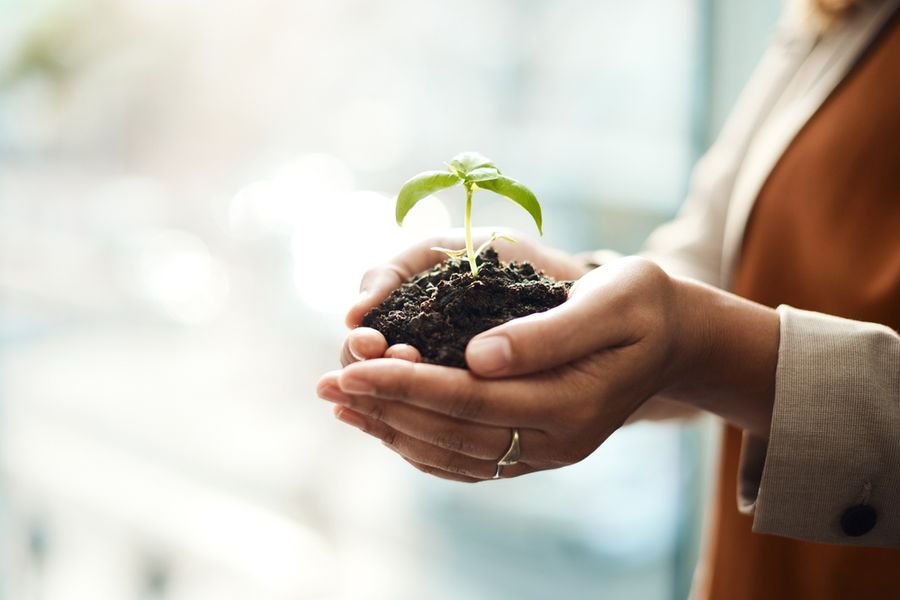
Personal growth is a lifelong process shaped by self-awareness, learning, and intentional change. It reflects how individuals evolve in response to experiences, challenges, and shifting priorities over time. Rather than focusing on perfection or constant achievement, personal growth emphasizes understanding, adaptability, and progress. When approached thoughtfully, personal growth supports emotional balance, resilience, and a deeper sense of purpose, helping individuals navigate life with greater clarity and confidence.
Understanding Personal Growth as an Ongoing Process
Personal growth is not a single achievement or destination but an ongoing process that unfolds over time. It involves developing greater awareness of thoughts, behaviors, and values while remaining open to learning and change. Growth often occurs gradually through everyday experiences rather than dramatic transformations.
This process allows individuals to respond more thoughtfully to challenges and opportunities. As perspectives expand, priorities may shift, leading to new insights and goals. Viewing personal growth as continuous encourages patience and consistency, helping individuals focus on long-term development rather than immediate results.
The Role of Self-Awareness in Personal Development
Self-awareness is a foundational element of personal development, shaping how individuals understand themselves and interact with the world around them. It involves recognizing personal strengths, limitations, habits, and recurring patterns of behavior. By understanding how thoughts, emotions, and experiences influence actions, individuals gain greater clarity around decision-making and responses.
Increased self-awareness supports intentional living by aligning actions more closely with personal values and priorities. Practices such as reflection, observation, and seeking feedback contribute to deeper understanding over time. As awareness grows, individuals become better equipped to identify areas for growth and recognize progress.
Learning and Adaptability as Drivers of Growth
Learning plays a central role in personal growth by expanding knowledge, skills, and perspective. It occurs through many avenues, including formal education, everyday experiences, and thoughtful observation. Each new insight offers an opportunity to reconsider assumptions, refine behavior, and develop a broader understanding of oneself and the world. Learning encourages curiosity and openness, both of which support continued development.
Adaptability allows individuals to apply learning effectively as circumstances change. Life rarely follows a predictable path, and the ability to adjust expectations, strategies, and goals supports resilience. When learning and adaptability work together, personal growth becomes more responsive and sustainable. This combination helps individuals navigate uncertainty with greater confidence, flexibility, and a willingness to evolve over time.
Why Personal Growth Supports Emotional Resilience
Personal growth strengthens emotional resilience by encouraging reflection, self-regulation, and awareness over time. Understanding emotional responses helps individuals recognize patterns that influence reactions to stress or challenge. This awareness makes it easier to respond thoughtfully rather than react impulsively. Growth-focused habits encourage individuals to view challenges as opportunities for learning and adjustment rather than sources of discouragement.
Over time, emotional resilience supports steadier responses to change, uncertainty, and everyday pressures. Individuals who prioritize personal growth often develop greater patience, emotional balance, and perspective. This resilience contributes to overall well-being by supporting healthy coping strategies and adaptive thinking.
Aligning Personal Growth With Values and Purpose
Values provide a guiding framework within the personal growth process, helping individuals determine what is most important to them. When growth efforts align with personal beliefs and priorities, progress feels more meaningful and sustainable. Clarifying values supports intentional decision-making by directing attention toward what truly matters rather than external expectations or comparison.
Purpose becomes clearer as personal growth aligns with long-term intentions and aspirations. Individuals who understand their values often make choices that support fulfillment, authenticity, and personal satisfaction. Aligning growth with purpose encourages consistency and commitment over time. This alignment helps personal development remain relevant and supportive through different life stages and changing circumstances.
The Long-Term Impact of Personal Growth
Personal growth influences many aspects of life over time, including relationships, confidence, decision-making, and overall well-being. Small, consistent efforts gradually accumulate into meaningful and lasting change. Growth-oriented habits encourage adaptability and clarity, helping individuals respond more effectively to new situations and challenges.
Approaching personal growth as a lifelong journey creates space for ongoing learning and self-discovery. This perspective reduces pressure to achieve immediate results while supporting steady progress. Personal growth matters because it encourages a more intentional, resilient, and fulfilling approach to life. Over time, it shapes experiences, relationships, and choices in ways that support long-term satisfaction and balance.