

Travel influences more than individual experiences; it also plays a meaningful role in shaping local communities and economies. When people visit new places, their presence affects businesses, infrastructure, cultural practices, and daily life. From small towns to major cities, tourism creates opportunities as well as responsibilities. Understanding how travel interacts with local communities highlights the importance of thoughtful, informed travel that supports long-term sustainability and shared benefit.
Supporting Local Businesses and Employment
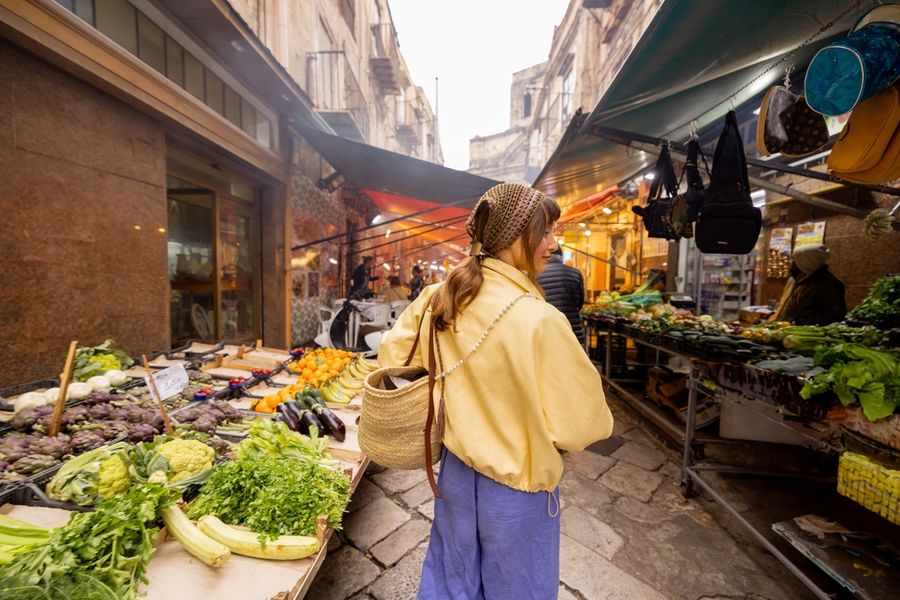
Travel contributes directly to local economies by supporting small businesses and creating employment opportunities. Restaurants, shops, accommodations, and tour services often rely on visitor spending as a primary source of income. This economic activity helps sustain livelihoods and encourages entrepreneurship within communities.
Employment generated by travel extends beyond direct service roles. Transportation, maintenance, agriculture, and creative industries often benefit as well. When travelers choose locally owned businesses, spending circulates within the community. This ongoing economic activity supports stability and growth, helping local economies adapt and thrive over time.
Influencing Community Infrastructure and Development
Travel often influences how communities develop infrastructure and public spaces. Increased visitation can encourage investment in transportation systems, public facilities, and shared amenities. Improvements such as enhanced walkability, restored historic areas, and expanded services often benefit both visitors and residents.
At the same time, thoughtful planning is essential to ensure development aligns with community needs. When growth is balanced, infrastructure improvements support long-term quality of life. Well-managed travel encourages development that strengthens communities rather than overwhelming them, creating environments that remain functional and welcoming.
Preserving Cultural Identity and Traditions
Cultural heritage plays a central role in many travel experiences by shaping how destinations are understood and remembered. Local traditions, arts, cuisine, language, and history often attract visitors seeking meaningful cultural connection. When travel supports cultural expression, it can encourage preservation efforts and strengthen community pride. Sharing traditions with visitors can help sustain cultural practices that might otherwise receive less attention or support.
Maintaining authenticity, however, requires thoughtful care and mutual respect. Communities benefit most when cultural traditions are shared in ways that reflect local values rather than being altered solely to meet commercial demand. Responsible travel supports cultural continuity by valuing local voices, traditions, and decision-making. This balanced approach allows culture to remain dynamic and relevant while being shared with wider audiences in a respectful and sustainable way.
Environmental and Social Considerations
Travel also affects local environments and social dynamics in complex ways. Increased visitation can place pressure on natural resources, public spaces, transportation systems, and housing availability. Popular destinations may experience crowding or environmental stress if growth is not managed carefully. These impacts can influence daily life for residents as well as the long-term health of local ecosystems.
Sustainable travel practices help reduce these challenges by encouraging responsible use of resources and community-centered planning. Efforts such as conservation initiatives, visitor education, and infrastructure planning support long-term balance. When environmental and social considerations are prioritized, travel can coexist with preservation efforts and community well-being.
The Role of Travelers in Community Impact
Travelers play an active role in shaping how tourism affects local communities through everyday choices and behaviors. Decisions related to accommodations, transportation, activities, and spending influence how benefits and challenges are distributed within a destination. Even small choices, such as where to eat or how to move through a community, can affect local businesses and public spaces. Thoughtful travel decisions help support positive interactions and contribute to a more balanced tourism experience.
Awareness encourages travelers to approach destinations with curiosity and respect. Taking time to learn about local customs, supporting locally owned businesses, and being mindful of environmental surroundings all contribute to more positive outcomes. When travelers recognize their role in community impact, travel becomes a shared experience rather than a one-sided transaction.
Creating Mutual Benefit Through Thoughtful Travel
Travel has the potential to create meaningful benefits for both visitors and local communities when approached with care. Economic opportunity, cultural exchange, and shared experiences contribute to stronger connections between people and places. Balanced travel practices help ensure that growth supports community stability rather than disruption.
By understanding how travel impacts communities and economies, travelers can make more informed choices. Thoughtful travel supports sustainability, cultural preservation, and long-term prosperity. When travel is guided by awareness and respect, it becomes a positive force that strengthens communities while enriching personal experiences.