

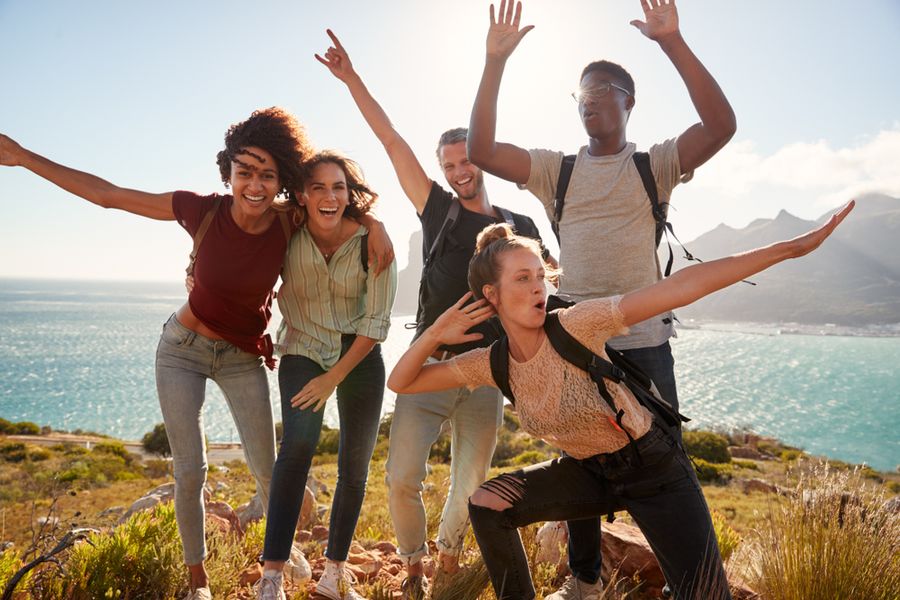
Travel styles and preferences vary widely, shaped by interests, experiences, and personal goals. Some travelers seek rest and familiarity, while others value exploration and challenge. Preferences influence destination choices, activities, pacing, and planning approaches. Recognizing different ways people travel highlights how journeys can be experienced in many forms. Understanding travel styles also helps explain why certain destinations and itineraries feel more appealing, allowing trips to align more closely with expectations, comfort levels, and desired experiences.
Leisure and Relaxation-Focused Travel
Leisure-focused travel centers on rest, comfort, and enjoyment without a structured schedule. Travelers who prefer this style often prioritize destinations known for scenic surroundings, comfortable accommodations, and a slower pace. Beaches, resorts, and quiet towns are common choices for travelers seeking relaxation and restoration.
This approach to travel values simplicity and ease. Time is often spent enjoying surroundings, local cuisine, and low-pressure activities. Leisure travel allows individuals to disconnect from daily responsibilities and focus on rest. By emphasizing comfort and flexibility, this travel style supports rejuvenation and stress reduction through unhurried experiences.
Adventure and Experience-Driven Travel
Adventure-driven travel appeals to individuals who seek active experiences and physical engagement. This style often involves outdoor activities such as hiking, cycling, or exploring unfamiliar terrain. Destinations known for natural landscapes and recreational opportunities are popular choices for adventure-oriented travelers.
Experience-focused travel emphasizes participation and discovery. Travelers may prioritize immersive activities that challenge comfort zones and create lasting memories. This approach values movement, exploration, and adaptability. Adventure travel often encourages a deeper connection with natural environments and supports a sense of accomplishment through shared experiences.
Cultural and Educational Travel
Cultural travel focuses on learning, history, and meaningful engagement with local traditions. Travelers interested in this style often seek destinations rich in heritage, museums, architecture, and cultural institutions. Experiences may include visiting historic sites, attending cultural events, or exploring neighborhoods shaped by local history.
Educational travel emphasizes understanding and context. This style encourages curiosity and thoughtful observation rather than fast-paced sightseeing. Travelers often value guided experiences or self-directed learning opportunities. Cultural travel supports deeper appreciation for destinations by highlighting stories, traditions, and everyday life.
Solo Travel and Independent Exploration
Solo travel offers independence and flexibility, allowing travelers to set their own pace and priorities. This style often appeals to individuals seeking personal growth, reflection, or autonomy. Destinations with accessible transportation and welcoming environments are frequently chosen by solo travelers.
Independent travel encourages self-reliance and adaptability. Without group schedules, travelers can adjust plans freely and explore interests as they arise. Solo travel often supports confidence and self-awareness by encouraging direct engagement with new environments. This approach highlights personal connection and discovery through individual experiences.
Group, Family, and Social Travel
Group and family travel emphasize shared experiences, connection, and collective enjoyment. This travel style often involves coordination around schedules, accommodations, transportation, and activities that accommodate multiple interests and age groups. Destinations with family-friendly attractions, group-oriented experiences, or flexible itineraries are common choices, as they support varied needs while keeping everyone engaged. Thoughtful planning helps ensure comfort and accessibility for all participants.
Social travel places strong value on interaction and shared memory-building. Activities are often selected to encourage participation, collaboration, and enjoyment among group members. Meals, guided experiences, and shared spaces contribute to bonding and conversation. Group travel supports lasting connections by creating experiences that extend beyond the destination itself. Planning and cooperation play important roles in balancing individual preferences while maintaining a cohesive and enjoyable group experience.
Finding a Personal Travel Style
Understanding travel styles helps individuals make choices that align more closely with personal interests, comfort levels, and travel goals. Preferences may evolve over time based on life stages, responsibilities, or energy levels. Some travelers favor structure and familiarity, while others prefer flexibility and discovery. Many people naturally combine elements from different travel styles to create experiences that feel balanced and fulfilling.
Travel becomes more rewarding when expectations align with individual preferences. Recognizing what brings enjoyment, inspiration, or relaxation allows for more intentional planning and decision-making. Awareness of personal travel style also helps manage pacing and priorities throughout a trip. By understanding different approaches to travel, individuals can plan journeys that feel meaningful, adaptable, and well-suited to their unique interests and experiences.